





When a vehicle won’t start, the most likely cause is a dead battery—a problem that’s especially common in cold weather or after the car has been left unused for an extended period. In such cases, having a portable car jump starter on hand can often quickly resolve the issue. The following user guide will walk you through the process of starting your car safely and efficiently, step by step. At the end of the article, you’ll also find recommendations for models suitable for winter use, helping you get through the winter worry-free.
Preparation Before Use: Safety and Verification
-
Check the battery level
Before use, check to make sure the emergency starter has sufficient remaining charge. Most devices are equipped with a battery indicator light or digital display; if the charge is low, charge the unit first to ensure it can deliver sufficient starting current. -
Locating the Battery and Vehicle Status
Open the hood and locate the battery (on some models, the battery is located in the trunk). Before connecting the battery, make sure the engine is turned off and that all electrical systems—including the headlights, air conditioning, and audio system—are turned off.
Proper Connection: Safety Depends on Sequence and Details
-
Identify the positive and negative terminals and connect them securely
-
Connect the red battery clamp to the positive terminal of the battery (marked “+”).
-
Connect the black battery clamp to the battery’s negative terminal (marked with “-”), or to an unpainted metal part of the vehicle’s body (such as a screw or bracket).
-
Be sure to ensure that the clamps are securely attached and that the red and black clamps do not touch each other to prevent a short circuit.
-
-
Connect the power supply and prepare to start up
Insert the battery clamp cables into the corresponding ports on the emergency jump starter and push them all the way in. Some models feature an automatic detection function; alternatively, you can manually press the power switch and wait for the device to enter the ready state.
Start and Wrap-Up: The Order of Operations Matters
-
Try starting the vehicle
Insert the key or press the start button to start the vehicle. If it doesn't work the first time, turn off the power, wait about 30 seconds, and then try again to avoid damaging the battery or the vehicle's electrical system by making repeated attempts. -
Safely Disconnect the Connection
After successful startup, it is recommended that you remove the battery clamps within 30 seconds:First Controversial, Then Popular, that is, disconnect the negative terminal first, then the positive terminal. Afterward, let the engine run for 15–20 minutes to recharge the battery. -
Charging Promptly and Storing Properly
If the battery runs low after use, recharge it promptly. Store it in a cool, dry place inside the vehicle, away from high temperatures, direct sunlight, or prolonged exposure to cold temperatures. -
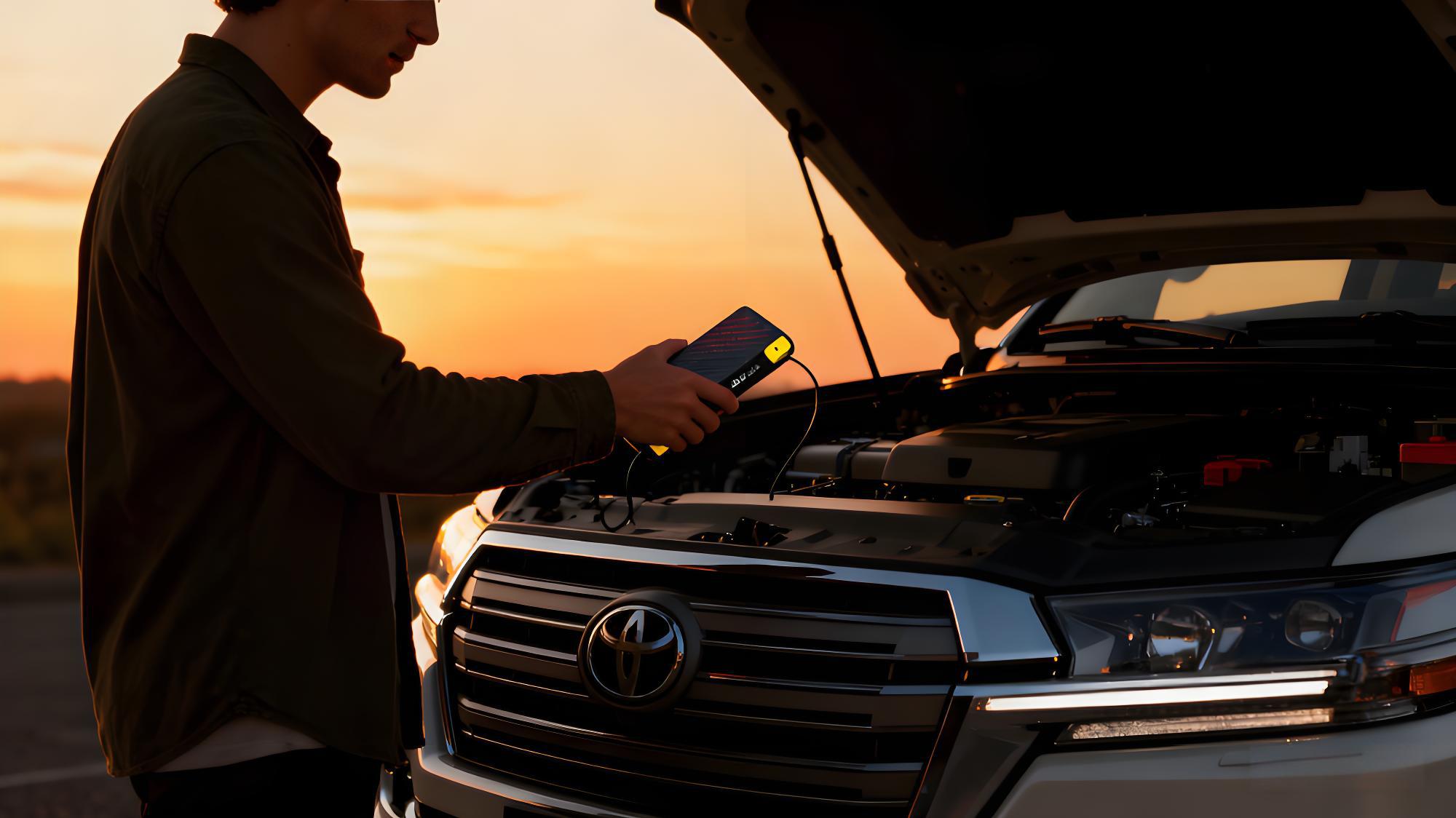
Summary of Precautions
-
Regular Maintenance: Even if you don't use it, we recommend checking the battery level every 1–2 months to ensure it's ready for use at any time.
-
Strictly Prevent Reverse Connection: Reversing the positive and negative terminals may damage the circuit. Although most products are equipped with reverse-polarity protection, you should still proceed with caution.
-
Environmental Adaptation: Extreme temperatures can affect battery performance; avoid exposing the device to high or low temperatures for extended periods whenever possible.
-
Start Interval: If startup fails, please wait 1–2 minutes before trying again, and reduce the load.
Special Winter Recommendations: These Two Power Supplies Are More Cold-Resistant
In cold-weather conditions, a power supply’s startup performance and reliability are particularly important. The following two products perform exceptionally well in winter; you can choose the one that best suits your needs:
Zhongkang A5 Multifunctional Emergency Power Supply
-
Winter Advantages: Equipped withCold-Start Technology...delivers a stable output even at -20°C; inflates tires quickly in 3 minutes with a tire pressure error of less than 0.1 bar, making driving in snowy conditions safer.
-
Applicable Scenarios: Ideal for drivers who frequently take long trips or go on road trips, this all-in-one device combines starting, inflation, lighting, and charging functions—just like a “emergency tool kit” for your car.
-
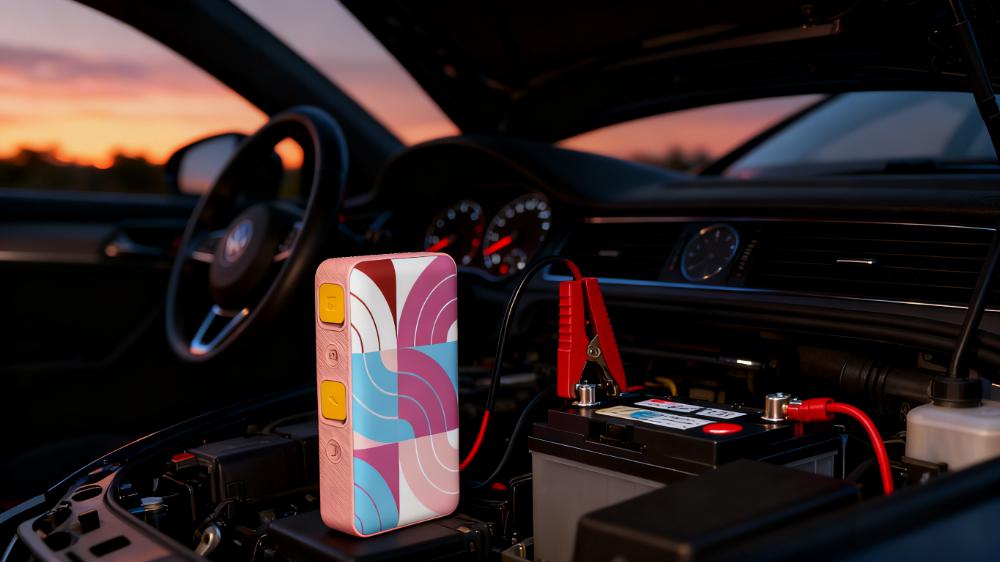
Zhongkang C6 Mini Emergency Power Supply
-
Winter Advantages: Compact and easy to carry, it won’t feel bulky even when there’s a large temperature difference between indoors and outdoors; with an 8,100 mAh capacity, it supports Type-C bidirectional fast charging and can power devices such as cell phones and heated glove pads.
-
Target Audience: Ideal for urban commuters and female drivers, it features a stylish design and convenient storage. In the event of a breakdown on a winter night, it can also serve as a light and an SOS signal.
A car jump starter isn’t just an emergency tool—it’s also an “invisible safety net” for driving. By learning how to use it properly and pairing it with a reliable device, you’ll be able to handle unexpected situations with ease and travel with peace of mind, even in the dead of winter.
Zhongkang Technology Marketing Department: Li Quan